
Metal Stamping Services: How a Full-Service Supplier Delivers Your Drawings
Metal stamping services are more than pressing sheet metal into a shape. For a buyer, the real service starts when the drawing enters the factory. Engineers confirm material, critical dimensions, and process route. Tooling, stamping, secondary operations, surface treatment, and inspection follow until parts meet spec. Different suppliers may look similar in stamping capability, but service scope differs.
This guide breaks down what full-service metal stamping covers. It also explains how quotes are built. Material, tolerance, tooling, and batch size affect final cost.
What Metal Stamping Services Cover
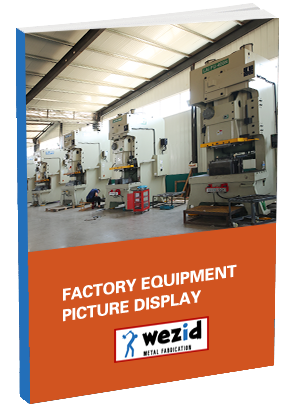
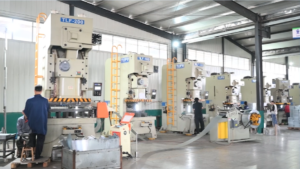
The service usually starts with a drawing review. Engineers confirm material, critical dimensions, estimated quantity, and process route before quoting. They also assess whether the part is suitable for stamping. Press tonnage depends on material thickness and strength, part size, blanking area, forming requirements, and die design. We run 40 presses from 80 to 400 tons for parts of different sizes and forming demands. Depending on the part structure, production may include:
 Blanking, punching, forming, or deep drawing
- Secondary bending or restriking
- Tapping, riveting, or other secondary operations
- Welding and assembly
- CNC machining of critical features
- Surface treatment
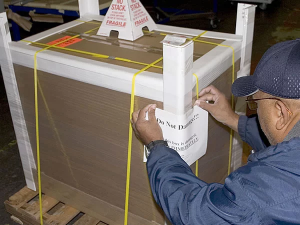
- Dimensional inspection and final packing
Not every stamped part needs all these steps. A simple part may finish right after stamping. A complex assembly may need welding, machining, or surface treatment. Coordinating these steps within one manufacturing system reduces handoffs, transport, and version communication between suppliers. If a part suits CNC machining better than stamping, compare our sheet metal vs CNC comparison.
From Drawing to Production: How Full-Service Stamping Delivers
Here is how a drawing becomes delivered parts in six steps.
- Drawing Review — Confirm material, critical dimensions, quantity, and functional requirements.
- DFM and Process Planning — Decide whether stamping fits and whether single-station dies, progressive dies, or another route makes sense.
- Tooling and Trial Production — Design the die, run trials, and verify critical dimensions.
- Production Stamping — Run the batch with first-article checks and process control as required.
- Secondary Processing — Add tapping, welding, CNC, assembly, or surface treatment per part requirements.
- Inspection and Delivery — Complete dimensional inspection, packing, and shipment.
How Metal Stamping Services Are Quoted
A metal stamping quote usually includes:
- Material: grade, thickness, purchase price, and utilization
- Engineering: drawing review, process planning, and DFM
- Tooling: design, manufacturing, trial, and maintenance arrangements
- Production: machine time, labor, setup, and production management
- Secondary processing: tapping, welding, CNC, assembly, and more
- Surface treatment
- Inspection and packing
- Transport or trade terms, where applicable
Tooling is usually quoted as a one-time upfront cost. Clarify maintenance, modification, life management, and ownership before quoting.
What Drives Metal Stamping Cost
Material Choice and Utilization in Metal Stamping Services
Material grade and thickness set the base cost. Utilization — how many parts a sheet produces — matters just as much. For progressive die production, utilization also depends on strip layout, pitch, and feeding direction. A part design that needs large scrap margins or a complex layout raises the per-part cost. This holds even when the material price is unchanged. Tell the supplier the application, not just the drawing. The right grade for the job is often not the cheapest one.
Tolerance and Die Complexity
Tighter tolerances usually mean stricter die design, process control, and inspection. The cost impact depends on the specific feature. For hole positions and contours, die precision and locating method are the key factors. For formed dimensions, springback, die structure, and batch stability matter. If a dimension is not critical to function, do not default to a tight tolerance. Mark the features that affect assembly and performance as critical. Use reasonable general tolerances elsewhere. This keeps die and inspection cost under control. For tolerance behavior across processes, see our sheet metal tolerance guide.
Batch Size, Setup, and Tooling Investment
Engineering preparation, setup, and first-article checks are typical fixed costs. Whether making 100 parts or 10,000 parts, these do not scale with quantity. The smaller the order, the higher their share of the unit price. Tooling investment needs separate calculation. For small batches, a dedicated production die is not always economical. Prototyping with laser cutting, bending, or simplified tooling can come first. As lifetime demand grows, a dedicated stamping die can lower the per-part cost. So judge stamping economics by expected lifetime demand, not just this order. This fixed-cost logic also matches our small-batch stamping cost guide.

What We Optimize Behind the Numbers
The unit price you see is the result of three levers that run before your first part:
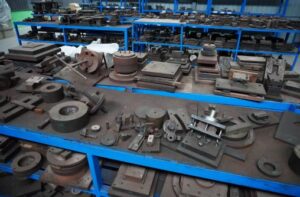
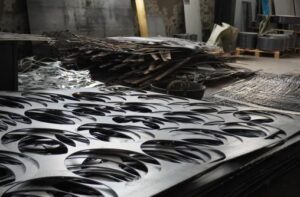
- Material nesting — dedicated nesting software plus layout experience raises material utilization by 8–15%. Case: an EV battery bracket where the optimized nesting cut per-piece cost by about 5.2%.
- Process integration — consolidating multi-step operations into progressive or transfer dies lifts production efficiency by around 30% and shortens lead time by 25–40%, while fewer handlings improve consistency.
- Mold life management — premium tool steel and precision machining extend die life by about 40%, which lowers the tooling cost allocated per part by 15–25%.
One recent example: a high-strength aluminum EV battery tray built on a multi-station transfer die — 15% lighter, 20% stronger, at a cost below the industry average.
Delivery Reliability
- MES-based scheduling keeps production progress visible and monitored in real time.
- Quick die-change systems cut changeover time by around 60%, keeping urgent orders in the queue.
- A 48-hour response channel for urgent orders.
- Safety stock of key materials plus a backup supplier network, so a material shortage does not stop your line.
Stamping Services from a Clustered Manufacturer
We have been manufacturing metal parts since 1999. Our stamping services run inside a 9,000 m² plant in Nanpi, Hebei.
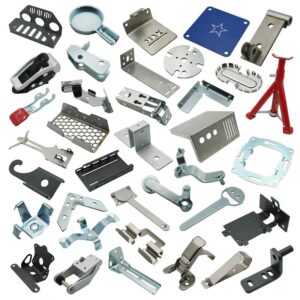 Our in-house manufacturing system coordinates engineering review, stamping, main secondary operations, and quality control. The Nanpi hardware cluster adds material supply, tooling support, and specialized resources. When a project needs special materials or specific services, the nearby supply chain shortens sourcing and coordination time.
For the buyer, the point is not just being located in a cluster. Core processes have clear owners: engineers own drawing review and the process route. Production executes, and quality control completes first-article and in-process checks per project. This is the value of full-service metal stamping. From the moment the drawing enters the factory, we consider the manufacturing route, cost, and downstream steps together. So you don’t need to find another supplier after stamping.
|
Get a Free Cost and Process Review for Your Stamped Parts ✅ Full-service stamping · In-house tooling · 40 presses · 2-hour response
Upload your drawing — get a process recommendation and an itemized quote |
📩 Response within 2 hours · DFM feedback and itemized quote within 24 hours
|
FAQ
Related Posts
-
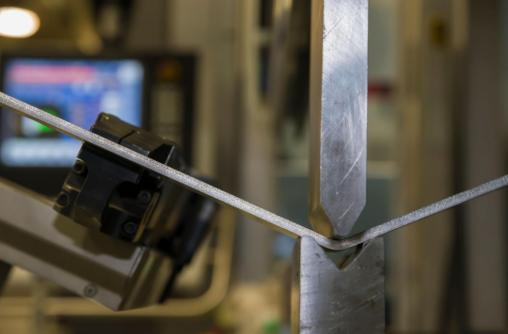
Press Brake Springback: Why Bends Overshoot and How Factories Compensate
Press brake springback is elastic recovery: when the brake releases, the part straightens a few ...
-
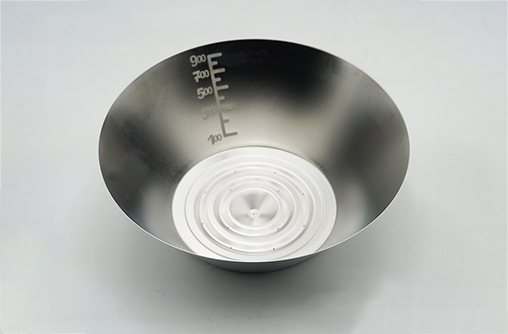
Deep Drawing Sheet Metal: Draw Ratios, Limits & Multi-Hit Setup
Deep drawing sheet metal is a forming operation: a punch pulls a flat blank into a cup or pan sh ...
-

Sheet Metal Gauge Chart: Thickness, Strength & Cost by Gauge
This sheet metal gauge chart is the reference our press engineers use before quoting. Gauge is a ...