
Carbon Steel Fabrication: Does Material Choice Really Affect Cost and Performance?
 When a drawing of carbon steel components is received, the first reactions of the purchasing and engineering departments are often opposite – one asks “How much?”, and the other asks “What kind of steel?”. These two questions may seem independent, but they actually have the same origin. In the “Carbon Steel Fabrication” project, if the material is chosen correctly, the fabrication process is smooth, the cost is controllable, and the performance meets the standards; if it is chosen wrongly, the processing is difficult, the budget overruns, and the product fails prematurely.
Material selection is never a purely technical parameter decision – it directly determines the difficulty, speed, yield rate of fabrication, and the service life of the final product. So, how should it be chosen?
How Does Material Choice Affect Fabrication Cost and Process?
Many customers ask about steel price first—that’s understandable. But in actual Carbon Steel Fabrication, raw material cost is only a small portion of the total. What really drives cost differences is how the material behaves across each fabrication step.
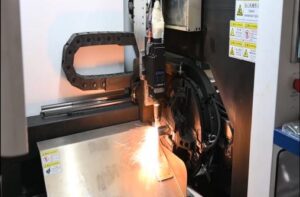
Cutting
Low-carbon steel cuts fast and leaves a clean edge, ready for the next operation. Higher-carbon materials typically require more controlled cutting parameters and may increase tool wear during subsequent machining operations—increasing machine time and labor cost.
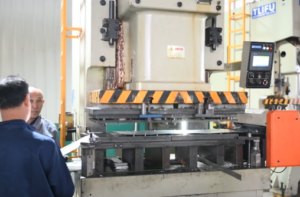
Stamping & Forming
Low-carbon steel has excellent ductility and low springback. Die tryout is quick, and production runs are stable—ideal for high-volume fabrication. Medium- and high-carbon steels show greater springback, requiring multiple die adjustments and longer tryout cycles. During production, cracking risk rises and scrap rates increase significantly. For parts involving deep drawing, material choice directly determines whether forming is even feasible.
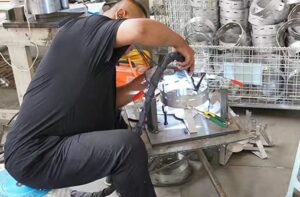
Welding
Low-carbon steel offers a wide welding window—good welds can be achieved with standard parameters. Higher-carbon materials are sensitive to heat input and demand strict preheat and post-weld heat treatment, increasing welding hours and repair rates. Improper welding sequence or fixturing can also cause distortion, adding straightening time.
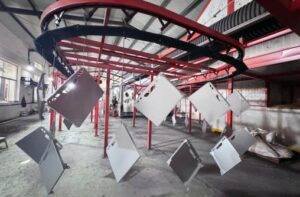
Surface Treatment
Carbon steel is susceptible to environmental corrosion, so many projects require powder coating, plating, or rust prevention. Surface quality directly affects coating adhesion—rough or uneven surfaces need extra grinding and pretreatment, adding time and consumable cost. If the product will be used outdoors, in humid conditions, or in corrosive environments, material choice and surface treatment must be evaluated together—never in isolation.
How Do Different Carbon Steel Grades Affect Performance?
Carbon steel is commonly divided into three grades by carbon content. The table below summarizes their key differences in fabrication:
| Grade | Carbon Content | Strength & Hardness | Formability & Ductility | Weldability | Typical Applications |
|---|---|---|---|---|---|
| Low-carbon steel | ≤0.25% | Moderate, sufficient for most structural needs | Excellent—suitable for stamping, deep drawing, bending | Excellent—no preheat required | Brackets, enclosures, pipes, automotive panels, general sheet metal parts |
| Medium-carbon steel | 0.25%-0.60% | Higher—good for load-bearing and wear-resistant uses | Moderate—greater springback, requires higher forming pressure | Moderate—preheat and post-weld treatment needed | Shafts, gears, structural frames, fasteners |
| High-carbon steel | ≥0.60% | Highest—excellent wear resistance | Poor—rarely used for conventional forming | Poor—high cracking risk, difficult to weld | Cutting tools, springs, wear liners |
Case : Carbon Steel Fabrication for an Outdoor Tactical Folding Table
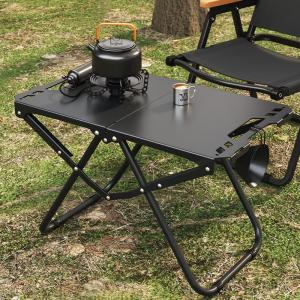 A client has entrusted us to develop an outdoor tactical folding table. The requirements were: 100 kg+ load capacity, long-term outdoor use, a smooth folding mechanism, and cost-effective batch production.
The customer initially leaned toward high-strength steel—assuming outdoor gear needs to be “tough and strong.”
We suggested a process evaluation before settling on material. Our assessment found that the table’s main load path could be addressed through reasonable geometry (stiffening ribs, flanged bends) rather than relying solely on material strength. If high-carbon steel is directly selected, the bending deformation is significant, the mold wears out quickly, and the deformation correction after welding is difficult – simply the labor cost for welding and straightening alone makes the cost per table much higher than the low-carbon steel solution.
Our final fabrication approach was:
- Main frame:Low-carbon steel plate—laser cut → bent → welded, fully leveraging the efficiency advantages of carbon steel in conventional fabrication
- Critical load points:Strengthened via stiffening ribs and optimized weld placement—not by relying on higher-grade material
- Surface treatment:Outdoor-grade powder coating to address corrosion resistance
The table passed load and outdoor durability tests, batch production ran smoothly, and unit cost stayed within the customer’s budget.
Result explanation:higher material strength isn’t always better. Good design can make ordinary carbon steel perform perfectly well. Cost control isn’t about downgrading material—it’s about finding the best match between material and manufacturing method.
Why Choose Our Carbon Steel Fabrication?
Material selection, process evaluation, and cost control ultimately come down to the supplier’s actual execution capability. A reliable Carbon Steel Fabrication supplier doesn’t just turn drawings into parts—they get the material-process fit right before production starts.
We will do it this way for you:
When we receive your drawings, our engineering team reviews three things: whether the materials and equipment are compatible, whether there are any risks to mass production in the process route, and whether a more economical alternative exists. After evaluation, we provide a clear material recommendation and fabrication feasibility analysis—not just a blind quote.
What enables us to do this:
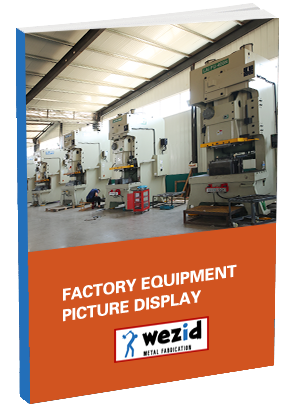
We operate a 9,000 m² production facility with a team of 120 (including 19 engineers), 40 stamping presses, and full in-house capabilities: laser cutting, stamping, bending, welding, CNC machining, and surface treatment—all under ISO 9001:2015 quality management. From material selection and DFM assessment through to volume production, we support you end-to-end.
Carbon Steel Fabrication · Get the Material Right✅ Material assessment · Process planning · Full-scale manufacturing
“Choose the right material, and fabrication flows smoothly — cost under control, performance delivered.” |
📁 Upload Drawings · Get Assessment
📩 Response within 24h with material assessment & quotation
|
Related Posts
-
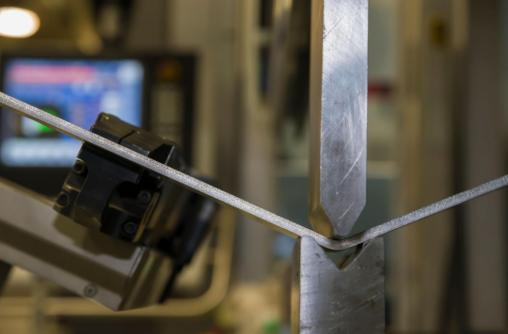
Press Brake Springback: Why Bends Overshoot and How Factories Compensate
Press brake springback is elastic recovery: when the brake releases, the part straightens a few ...
-
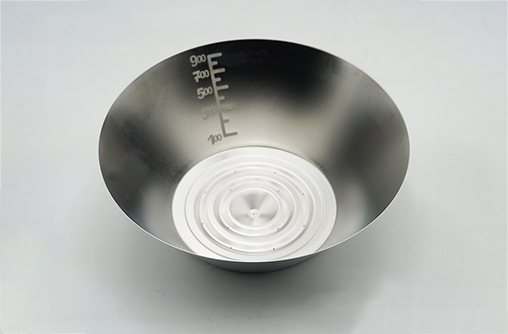
Deep Drawing Sheet Metal: Draw Ratios, Limits & Multi-Hit Setup
Deep drawing sheet metal is a forming operation: a punch pulls a flat blank into a cup or pan sh ...
-

Sheet Metal Gauge Chart: Thickness, Strength & Cost by Gauge
This sheet metal gauge chart is the reference our press engineers use before quoting. Gauge is a ...