
Powder Coating vs Anodizing vs Zinc Plating: How to Choose
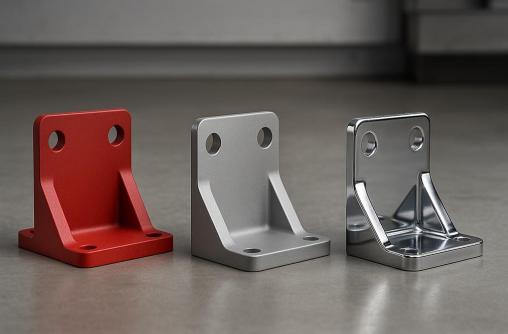 Powder coating vs anodizing vs zinc plating is the first finishing question on every sheet metal program. The short answer: pick by substrate first — steel and aluminum have different finish universes — then by environment, then by budget. Zinc plating is the budget corrosion layer for mild steel, powder coating is the workhorse for colored, protected parts, and anodizing is the aluminum-specific finish that doubles as both protection and appearance.
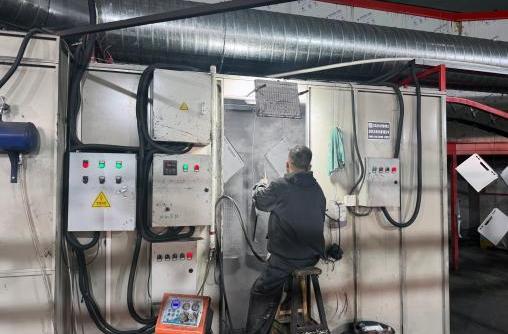
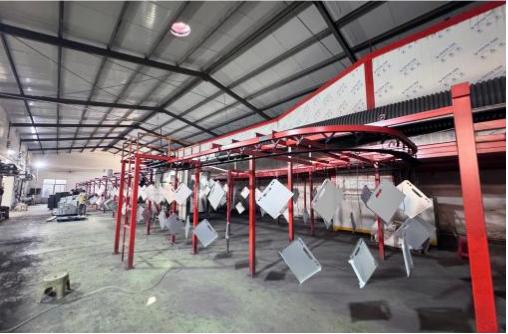
Cangzhou Weizhi runs finishing as part of the same production program as stamping and fabrication, so we have priced the same part under all three treatments. Here is the comparison our engineers use to advise buyers, on a surface treatment line that sits next to the press hall.
Compare powder coating vs anodizing vs zinc plating side by side
Two patterns make the choice obvious:
- Steel part, indoor or mild outdoor, cost-first → zinc plate. Its sacrificial action keeps protecting even where the film is scratched.
- Any part that needs color and durable barrier protection → powder coat. A 60–80 µm powder film shrugs off conditions that would peel a paint.
- Aluminum part that must keep the aluminum look and resist corrosion → anodize. It is the only finish on the list that becomes part of the metal.
Match the finish to the exposure environment
- Indoor, painted: zinc + powder is the standard stack; zinc handles the base, powder handles the color.
- Outdoor, unpainted steel: zinc plating with trivalent chromate passivation, or e-coat under powder for longer life.
- Outdoor aluminum: anodize, sealed. Powder-coated aluminum also works where color matters more than the metallic look.
- Coastal/chemical: treat any finish as a compromise — move the material decision toward 316 stainless or add a barrier layer, and verify with a salt spray test per ASTM B117. Our material selection guide covers that side of the decision.
In practice, the finish specification you write on the drawing controls everything downstream: name the treatment, the thickness range, the color code (RAL), and the acceptance test (e.g., “200 h salt spray per ASTM B117, cross-hatch adhesion 4B”). A finish line that only says “powder coat” is an invitation to a dispute. Terms like these are defined in our fabrication glossary, the reference sheet we hand to new clients.
Read the cost and lead time on the line
- Zinc plating adds the least per piece and rarely extends lead time — it is a batch process on our finishing schedule.
- Powder coating adds a bake cycle; color matching can add days if the shade is not stock.
- Anodizing is the slowest of the three per batch and the most sensitive to pre-treatment quality — the aluminum surface must be chemically clean before the tank.
Because Cangzhou Weizhi finishes in the same program, the part moves from press to tank without touching a third party’s schedule, and the quality record stays in one file. That is the operational argument for a one-stop shop: fewer hands, one chain of custody. Finished programs are documented in our project cases.
FAQ
Which lasts longer: zinc plating or powder coating?
In barrier terms, powder coating (tens of microns of film vs. single-digit microns of zinc). Zinc wins where it is scratched, because it sacrifices itself to protect the steel underneath. The common answer is zinc under powder.
Can I anodize steel?
No. Anodizing is an electrochemical process specific to aluminum and a few other metals. Steel takes plating or coating instead.
What is a realistic salt spray test target for an outdoor bracket?
400+ hours for powder-coated steel is a solid spec. Ask the finisher for the test report per ASTM B117 with the hours stated.
Does the finish affect the part dimensions?
Barely at plating thicknesses; powder adds 60–120 µm, which matters only on tight fit features — tell us the mating dimension and we will call the finish tolerance on the drawing.
Why is anodizing more expensive than powder coating?
It runs in chemical baths with strict pre-treatment and sealing steps, smaller batch sizes, and slower cycles per part.
Who should do the finishing — the buyer or the factory?
The factory, in one program. Split finishing breaks traceability and adds a shipping round-trip per batch.
|
Name the Finish — Get the System and the Spec Back ✅ Finish system by substrate · Thickness range and color code · Salt spray acceptance test on the drawing
Upload your drawing with the substrate and the exposure environment — the reply names the finish system, the spec, and the acceptance test |
📩 Reply within 2 hours · DFM feedback and itemized quote within 24 hours
|
Related Posts
-
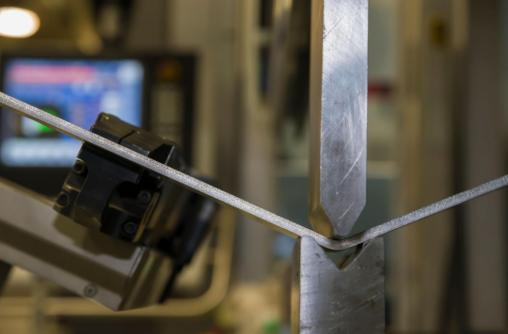
Press Brake Springback: Why Bends Overshoot and How Factories Compensate
Press brake springback is elastic recovery: when the brake releases, the part straightens a few ...
-
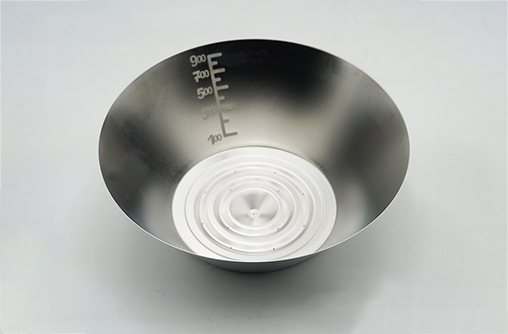
Deep Drawing Sheet Metal: Draw Ratios, Limits & Multi-Hit Setup
Deep drawing sheet metal is a forming operation: a punch pulls a flat blank into a cup or pan sh ...
-

Sheet Metal Gauge Chart: Thickness, Strength & Cost by Gauge
This sheet metal gauge chart is the reference our press engineers use before quoting. Gauge is a ...