
Metal Stamping Die Cost: How Dies Are Made, Lifespan & Maintenance
A stamping die is a precision steel tool that cuts and forms sheet metal in fractions of a second per stroke. The stamping die cost you pay once typically runs from a few thousand USD for a simple single-station die to tens of thousands for a multi-station progressive die, and a well-built, well-maintained die survives 500,000 to over 2,000,000 hits before major rework. That lifespan is the whole business case for stamping: you pay for the die once, and every hit after the first becomes pure production.
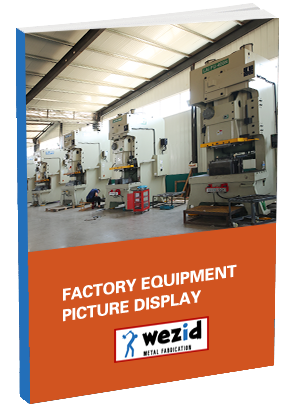
This guide walks through how we build dies at our Nanpi factory, what drives their price, and how to manage them after delivery. Our process selection guide explains which process fits your part in the first place.
See How We Build A Stamping Die
Every die, simple or complex, follows the same build path:
- Design and DFM review. The engineer checks the drawing for die-ability, including minimum wall features, bend clearance, and draw geometry. Problems found here are the cheapest problems you will ever fix.
- Layout and nest. The engineer plans each stroke — blank, pierce, bend, form, and trim — and decides how the part will advance through the die.
- Machining. Our machinists mill and grind the base plates, punches, and die inserts. For fine features, they use EDM to cut the tool steel accurately.
- Assembly and setting. Our technicians install the springs, guides, and ejectors, then assemble and align the die to the required precision.
- Tuning on the press. The engineer mounts the die on the press and runs the first hits for your T1 samples. They then adjust the die for clean shearing, correct springback, and safe ejection.
- Trial report. First-article measurements against the drawing gate the release to production.
A single-station die spends most of its time in steps 3–5. A progressive die multiplies them across stations, which is why complexity is the dominant cost driver.
Understand What Drives Stamping Die Cost
Two non-obvious points:
- The material of the part changes the die design, not just the die price. Stainless work-hardening demands more clearance and different bead strategy than mild steel; aluminum demands different punch finishes.
- The die is an asset you should own. Buy it as NRE and it is yours to store, audit, or move — which protects your future pricing options. How tooling enters the total price is the core of our cost guide.
Read Die Lifespan and Maintenance Realistically
- Simple bending/blanking dies: 1,000,000+ hits is routine.
- Piercing and fine-detail dies: expect re-grinding of punch faces every 200,000–500,000 hits.
- Deep draw dies: life follows the draw geometry; blanking edges wear first and get dressed. Multi-hit draw tooling is detailed in our deep drawing guide.
Maintenance that actually extends life:
- Consistent lubrication at the specified film
- Scheduled punch and die-edge dressing by the factory’s tool room
- Storage on dry, level stands — rust and impact damage waste more dies than wear does
- A hit counter on every die; rework at the scheduled number, not at failure
On our floor at Cangzhou Weizhi, tool-room staff dress and re-grind client-owned dies between production runs, with the hit count logged on the die record. A die that receives scheduled maintenance can outlive its design life; a neglected die can fail early — literally.
FAQ
What is the typical cost of a stamping die in 2026?
Simple single-station dies start around a few thousand USD; multi-station progressive dies commonly run into the tens of thousands. Part complexity, not size, is the main cost driver.
Who should own the die — the buyer or the factory?
The buyer should own it when the part belongs to the buyer and may need re-quoting. Treat ownership as a contract clause and set it in the PO.
How many hits does a die last?
Well-maintained tooling can last 500,000–2,000,000 hits, depending on the features and material. Track hit counts and schedule dressing.
Can an existing die be modified for a design change?
Often yes — feature additions, trim-line moves, and clearance changes are standard tool-room work. The tool room needs to rebuild the die when the design changes its basic architecture.
Why do two factories quote the same die very differently?
Compare the steel grade, station design, and what each supplier includes in the “complete” package, such as T1 samples, a trial report, and spare punches. A thin die quote may reflect lower-grade steel or a skipped trial.
Do dies rust in storage?
Uncoated tool steel can rust. Proper storage requires rust preventive and a dry stand; ask the supplier how they protect the die between production runs.
|
See the Die Before You Pay For It — Get a Tooling Plan in Writing ✅ Die cost itemized · Steel grade and station count stated · T1 samples and trial report included
Upload your drawing — the reply names the die type, station count, steel grade, and the trial report you will receive at T1 |
📩 Reply within 2 hours · DFM feedback and itemized quote within 24 hours
|
Related Posts
-
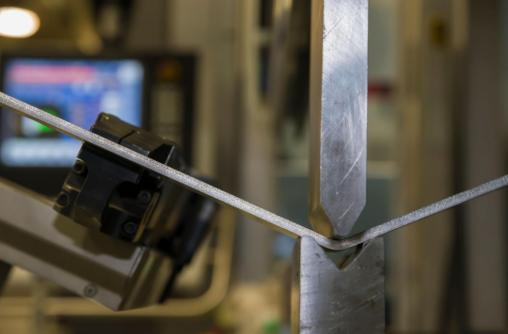
Press Brake Springback: Why Bends Overshoot and How Factories Compensate
Press brake springback is elastic recovery: when the brake releases, the part straightens a few ...
-
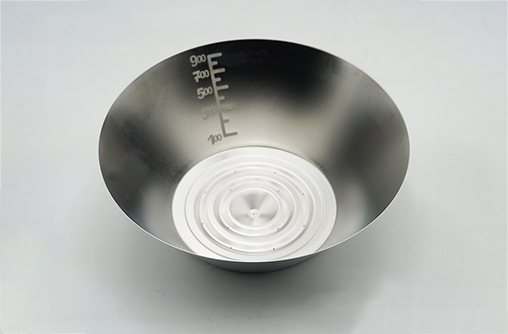
Deep Drawing Sheet Metal: Draw Ratios, Limits & Multi-Hit Setup
Deep drawing sheet metal is a forming operation: a punch pulls a flat blank into a cup or pan sh ...
-

Sheet Metal Gauge Chart: Thickness, Strength & Cost by Gauge
This sheet metal gauge chart is the reference our press engineers use before quoting. Gauge is a ...