
CNC Machining FAQ: What OEM Buyers Ask Before Production
This CNC machining FAQ answers what OEM buyers ask before production: five-axis capabilities, achievable precision, materials, sample speed, process integration, and quality checks at Cangzhou Weizhi.
Learn more about our CNC machining service → https://www.czweizhi.com/services/cnc-machining-service/
Frequently Asked Questions About Our CNC Machining Service
Q1. What CNC machining capabilities does Cangzhou Weizhi have?
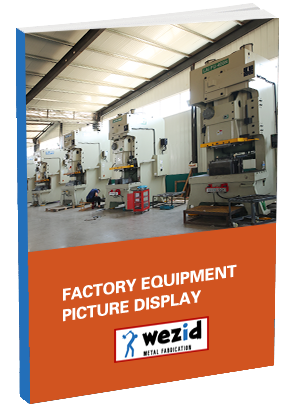
Our CNC shop runs two five-axis machining centers and three vertical machining centers. This setup serves automotive, aerospace, medical, electronic equipment, and industrial automation customers. We combine high precision with high stability and strong flexibility. Rapid reprogramming lets us respond quickly to design adjustments.
Q2. What precision can your CNC machining hold?
In one new-energy vehicle project, we machined aluminum alloy battery casings with five-axis milling. Laser scanning measured dimensional deviation at ±0.02 mm, and wall thickness stayed within ±0.05 mm. Final precision depends on material, geometry, and fixture setup. So we confirm achievable tolerances before quoting.
Q3. Which materials can you CNC machine?
Yes, we machine a wide range of metals. For example, we mill aluminum alloy battery casings for new energy vehicle manufacturers. Our engineers evaluate the material, geometry, and surface needs of your part first. Then we recommend the right cutting tools, speeds, and feeds. Send us your drawing, and we will confirm whether CNC fits your part.
Q4. How fast can I get a CNC sample?
Rapid reprogramming allows quick response to design changes. We can complete a sample and ship it within 72 hours when the design allows. A dedicated team handles small and medium orders and sample requests. So you can verify and adjust your part quickly.
Q5. Do you combine CNC with other processes in one order?
Yes. CNC machining shares one factory with stamping, laser cutting, bending, welding, and surface treatment. For example, the battery casings received anodic oxidation after milling. Therefore, your part moves from raw material to a finished part with the right surface in one place.
Q6. What quality checks do CNC parts receive?
An ISO 9001:2015 system standardizes our quality control process. For precision projects, we use laser scanning to measure dimensional deviation. Operators also verify critical features against your drawing. So each batch stays stable and reliable.